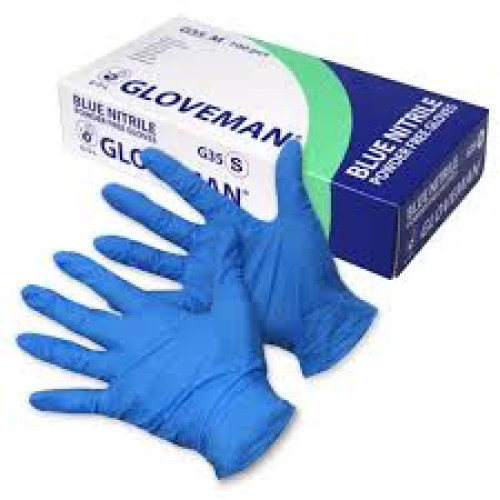
Disposable gloves are single-use protective barriers designed to prevent cross-contamination between the hands and external surfaces, substances, or patients. They work by providing a physical shield against pathogens (bacteria and viruses), harsh chemicals, and bodily fluids. Depending on the material—Latex, Nitrile, or Vinyl—they offer varying degrees of puncture resistance, tactile sensitivity, and chemical protection. In a professional setting, they are a critical component of "Standard Precautions" to ensure the safety of both the wearer and the environment.
In Nigeria, high-quality disposable gloves (available in brands like Hartalega, Ansell, or premium generics) are a staple for medical, laboratory, and industrial use. They are available through registered suppliers like Sanlive Pharmacy & Stores to ensure you receive medical-grade, tear-resistant gloves stored in climate-controlled environments to prevent the degradation of the material over time.
Important: This is a single-use safety product. The "Single-Use" Rule: Never wash or reuse disposable gloves; once removed, they must be disposed of immediately to prevent contamination. The "Allergy" Warning: Latex gloves contain natural rubber proteins that can cause severe allergic reactions in sensitive individuals. The "Oil" Note: Latex gloves can be degraded by petroleum-based oils and greases; use Nitrile gloves if you are working with oily substances or chemicals.
Disposable Gloves are primarily used to:
Provide a sterile barrier during medical examinations and surgical procedures
Prevent the spread of infections and germs in healthcare and home-care settings
Protect hands from household chemicals, detergents, and hair dyes
Ensure food safety and hygiene during preparation and handling
Protect skin from contact with bloodborne pathogens and bodily fluids
Provide "Tactile Sensitivity" for delicate tasks like suturing or handling lab equipment
Offer a comfortable, "second-skin" fit for long-duration wear
Nitrile Gloves (Blue/Black): The gold standard for medical and industrial use. They are 100% latex-free, highly puncture-resistant, and offer excellent protection against chemicals and oils.
Latex Gloves (White/Cream): Preferred by surgeons for their superior elasticity and "feel." However, they carry a risk of latex allergy.
Vinyl Gloves (Clear): Best for low-risk tasks like food preparation or light cleaning. They are cost-effective but less durable than Nitrile or Latex.
Powder-Free vs. Powdered: Powder-free gloves are now the clinical preference to avoid skin irritation and interference with wound healing.
This product is suitable for:
Healthcare professionals (Doctors, Nurses, and Dentists) for patient examinations
Laboratory technicians handling chemicals or biological samples
Food handlers, caterers, and chefs to maintain sanitary standards
Caregivers providing home-care for the elderly or ill
Hair stylists and estheticians working with dyes and chemicals
Not recommended for: Handling extremely high-heat objects or sharp, heavy machinery where leather or cut-resistant work gloves are required. It is strictly contraindicated to use Latex gloves on patients with a known "Type I" rubber allergy. Use with caution if you have "Contact Dermatitis," as the sweat buildup inside the glove can sometimes irritate sensitive skin. Consult our pharmacist if you need help choosing the correct size (Small, Medium, Large, XL) to ensure a secure fit.
Preparation: Wash and dry your hands thoroughly before putting on gloves
Inspection: Check each glove for tears, pinholes, or discoloration before use
The "Donning" Rule: Pull the glove over the hand by the cuff; ensure it fits snugly over the fingers and palm
The "Doffing" Technique: To remove, peel the first glove off from the cuff toward the fingers, turning it inside out. Hold the soiled glove in the gloved hand and slide a finger under the remaining cuff to peel it off safely
Disposal: Place used gloves in a lined waste bin immediately after removal
Hand Hygiene: Always wash your hands again after removing gloves, as germs can sometimes contaminate hands during the removal process
While highly effective, users should be aware of:
Hand sweating and "maceration" if worn for several hours without a break
Reduced grip if the gloves are not the correct size
Potential for "Type IV" hypersensitivity (delayed rash) to the chemicals used in manufacturing
Tearing if snagged on sharp jewelry or long fingernails
Environmental impact (opt for biodegradable options if available for non-medical use)
Seek medical advice if you develop a sudden itchy rash, hives, or difficulty breathing (signs of a severe latex allergy) while wearing gloves.
Reputable global and local manufacturers – These companies ensure that "Medical Grade" gloves meet international AQL (Acceptable Quality Level) standards for barrier integrity.
100% authentic medical-grade stock—guaranteed original and high-strength
Guaranteed high-quality boxes stored in optimal, dry conditions to prevent the gloves from becoming brittle
Professional guidance from licensed pharmacists on the best material for your specific task
Fast and reliable delivery to your hospital, office, or home across Nigeria
Are Nitrile gloves better than Latex?
For most people, yes. Nitrile is stronger, more chemical-resistant, and won't cause latex allergies. However, surgeons sometimes prefer Latex because it stretches more naturally with hand movements.
Can I use these for cooking?
Yes, but ensure you buy "Food Grade" or "Medical Grade" powder-free gloves. Avoid powdered gloves for food, as the powder can contaminate the meal.
How do I know my size?
A glove should be snug but not so tight that it cuts off circulation or tears easily. If you can't make a full fist comfortably, the glove is too small. If it bunches up at the fingertips, it is too large.
Where can I purchase Disposable Gloves in Nigeria?
You can find premium, verified Disposable Gloves at Sanlive Pharmacy & Stores for guaranteed quality and professional hygiene support.
No reviews yet.
Login to write a review.
Related Products